As an Amazon Associate, SturdyPaws earns from qualifying purchases. This article contains affiliate links; buying through them costs you nothing extra. Read our affiliate disclosure.
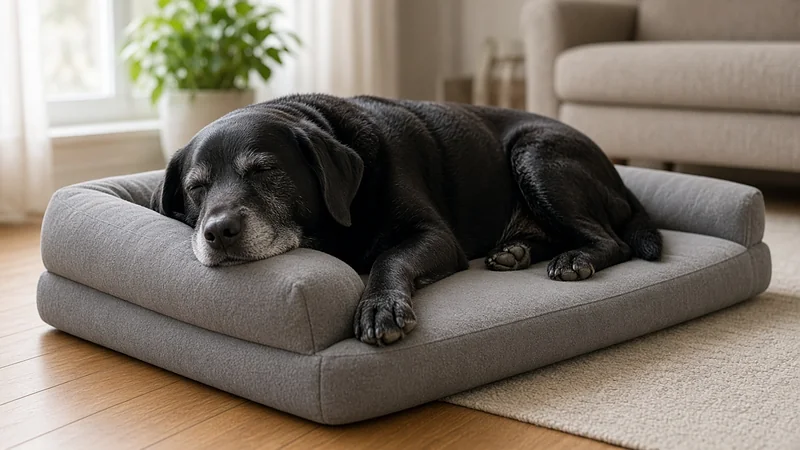
Many owners notice the same pattern in warm weather. They buy a thick memory-foam bed for their arthritic dog, and the dog ignores it and sprawls on the kitchen tiles instead. A thick, enclosing bed can feel warm, and a dog that is too warm will move somewhere cooler. Hard tiles are cool, but they are a poor place for stiff joints to spend the night.
This guide explains how to balance cooling and joint support for a senior dog, what the main types of "cooling" bed actually offer, and how to set up a sleeping spot that stays comfortable. It draws on guidance from VCA Animal Hospitals and on manufacturer specifications. We have not tested these beds ourselves, and we do not invent ratings or prices.
Key takeaways
- VCA advises bedding that doesn't retain heat, especially in warmer climates, and beds the dog doesn't have to climb onto.
- Cold and damp is a problem too. VCA notes cold, damp conditions may worsen stiffness. The goal is comfortable, not cold.
- Elevated cots let air flow underneath but have no foam and sit higher off the floor.
- Gel-infused foam keeps foam support; how much cooler it feels is not independently measured on the pages we checked.
- Placement matters as much as the bed: shade, airflow and distance from heaters.
Why senior dogs need cool and supportive bedding
VCA's advice on making a home comfortable for a dog with limited mobility makes two points about bedding. First, although dogs often like to lie on hard, cool surfaces, these are not ideal for a dog that cannot move around as easily as it used to. Second, choose bedding that doesn't retain heat, especially in warmer climates, and beds the dog does not have to climb over or onto.
A cushioned bed spreads pressure away from bony points such as elbows and hips. Our guide to memory foam vs egg crate vs bolster beds explains the support side. The trouble is that the materials that cushion best tend to be the ones that trap warmth. If the bed is too warm, the dog leaves it, and the support is wasted.
The opposite problem also exists. VCA's osteoarthritis guidance says to keep arthritic dogs warm and dry, noting that cold, damp conditions may worsen stiffness and discomfort. So the ideal is not the coldest possible bed. It is a bed the dog finds comfortable enough to use all night, in a spot that is neither hot nor cold and damp.
Signs your dog is too warm in bed
- It gets up from its bed in the night and moves to a hard floor.
- It sleeps stretched out flat on its side or belly, rather than curled.
- It pants while resting in a room that is not hot.
- It uses the bed in winter but avoids it in summer.
If the dog seems uncomfortable even off the bed, look at room temperature and talk to your vet.
The main types of cooling bed
Elevated cot beds
A cot bed is fabric stretched taut over a frame, so it sits above the floor and air moves underneath. There is no foam to hold heat. The fabric spreads weight evenly and does not sink, and most can be hosed or wiped clean, useful for older dogs with accidents.
The downsides for seniors are real. A cot is raised, often several inches, which is a step up for a stiff dog, against VCA's advice about beds the dog doesn't have to climb onto. And there is no cushioning, so a bony dog may still get sore elbows. A thin, breathable pad on top is a compromise.
Coolaroo Original Cooling Elevated Dog Bed
Raised cot with breathable HDPE fabric on a frame; Large about 51 x 31.5 x 8 in; hose off or wipe clean
Pros
- Taut fabric spreads weight evenly and does not sink
- Stays cool; good for dogs that overheat on foam
- Easy to clean after accidents
Cons
- Raised about 8 in, a real step up for a stiff dog
- No foam cushioning; add a thin pad if your dog is bony
- Frame edges can be a trip point
Gel-infused memory foam
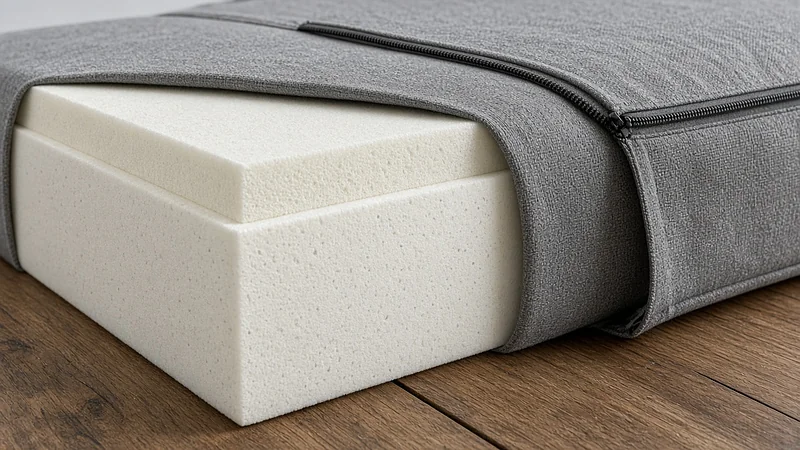
Gel-infused foam has gel mixed into the foam. Manufacturers say this helps the foam feel cooler. Dogbed4less describes its 4-inch gel pad as a "temperature-sensitive cooling pad" with a stated 3.2 lb density. We could not find independent measurements of how much cooler gel foam is for dogs, so treat cooling claims as the maker's description rather than a guarantee. What gel foam does keep is the pressure relief of memory foam.
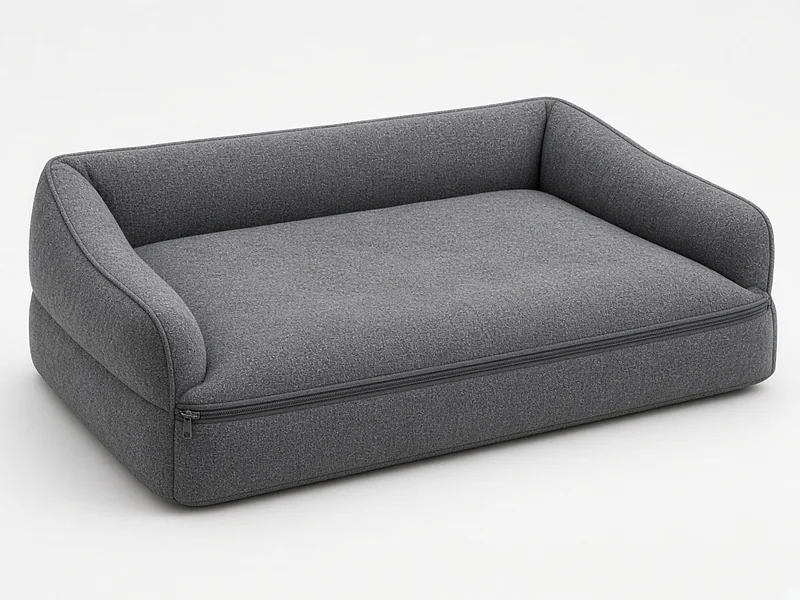
Dogbed4less Orthopedic Gel Memory Foam Dog Bed
4 in single solid gel-infused memory foam pad, 3.2 lb density; waterproof internal zip liner plus washable external cover (Amazon listings add a bonus second cover); 7 sizes from 35x20 to 55x47 in
Pros
- Stated foam density published (3.2 lb), which few brands do
- Liner plus a spare cover suits frequent washing
- Flat, low mattress is easy to step onto; large sizes available
Cons
- No bolster
- 4 in may be thin for the heaviest giant breeds
- Only the inner liner is waterproof, not the outer cover
Flat foam beds with breathable or water-resistant covers
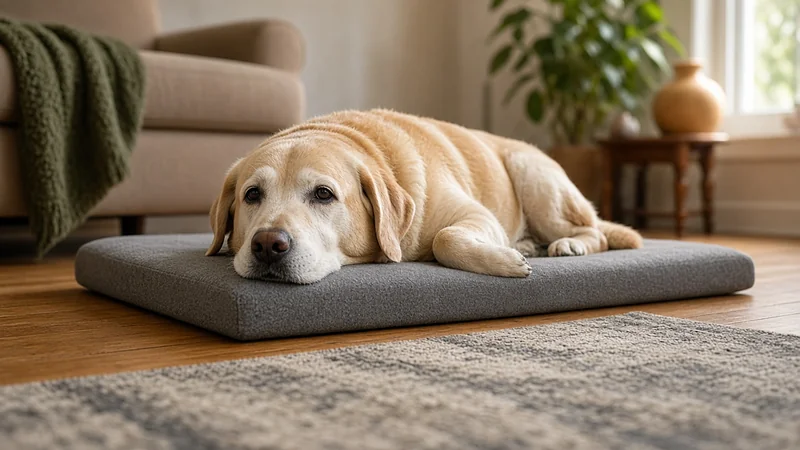
A low, flat mattress with no bolsters lets heat escape from the sides and top more easily than a deep, enclosed bolster bed. It is also easy to step onto. The K&H Superior Orthopedic bed uses foam with a water-resistant vinyl backing and is designed for indoor and outdoor use, which suits a shaded patio in summer.
K&H Superior Orthopedic Indoor/Outdoor Dog Bed
Orthopedic foam with water-resistant vinyl backing; Small 36x27x4 in; 1-year warranty (per K&H)
Pros
- Vinyl-backed construction resists moisture
- Indoor/outdoor use
- Lower relative cost
Cons
- Not a fully sealed bed: liquid can still reach seams
- Firm, flat design without bolsters
- Short warranty
The Brindle bed is a 4-inch flat bed with memory foam over support foam and a waterproof inner encasement. It is not marketed as a cooling bed, but its low, flat profile avoids the enclosing walls that trap warmth, and a cotton or thin cover can be used in summer.
Brindle Waterproof Memory Foam Pet Bed
4 in total: 2 in memory foam over 2 in high-density support foam; waterproof inner encasement; removable machine-washable zip cover
Pros
- Waterproof inner encasement
- Low, flat profile
- Lower relative cost
Cons
- CertiPUR-US not stated on the pages we checked
- 4 in total is thin for large dogs
- No bolster
Cooling pads and mats
Separate cooling mats placed on top of or beside a bed are widely sold. We have not verified specific products for this guide. If you use one, place it next to the orthopedic bed rather than replacing it, so your dog can choose. Check for chewing, particularly with pressure-activated gel mats.
| Product | Key specs | Link |
|---|---|---|
| Coolaroo Original Cooling Elevated Dog Bed | Raised cot with breathable HDPE fabric on a frame; Large about 51 x 31.5 x 8 in; hose off or wipe clean | Check price on Amazon (opens in a new tab) |
| Dogbed4less Orthopedic Gel Memory Foam Dog Bed | 4 in single solid gel-infused memory foam pad, 3.2 lb density; waterproof internal zip liner plus washable external cover (Amazon listings add a bonus second cover); 7 sizes from 35x20 to 55x47 in | Check price on Amazon (opens in a new tab) |
| K&H Superior Orthopedic Indoor/Outdoor Dog Bed | Orthopedic foam with water-resistant vinyl backing; Small 36x27x4 in; 1-year warranty (per K&H) | Check price on Amazon (opens in a new tab) |
| Brindle Waterproof Memory Foam Pet Bed | 4 in total: 2 in memory foam over 2 in high-density support foam; waterproof inner encasement; removable machine-washable zip cover | Check price on Amazon (opens in a new tab) |
Specs are from manufacturer and retailer listings and can change between versions; check the listing before you buy. We don't show prices because they change often; the button shows the current price on Amazon.
How to choose
| If your dog... | Consider |
|---|---|
| Runs hot but is fairly mobile | Elevated cot, possibly with a thin pad |
| Is stiff, bony or large | Gel or flat memory foam for support, plus placement in a cool spot |
| Struggles with any step | Low flat foam bed; avoid raised cots |
| Has accidents | Waterproof liner or hose-clean cot; see our waterproof beds guide |
| Sleeps outdoors in shade | Indoor/outdoor bed with water-resistant backing |
Many owners end up with two sleeping spots: a supportive foam bed and a cooler option nearby. The dog chooses.
Setting up a cool sleeping spot
- Location: away from radiators, sunny windows and heating vents.
- Airflow: a fan in the room helps air move. Do not point it straight at the dog all night.
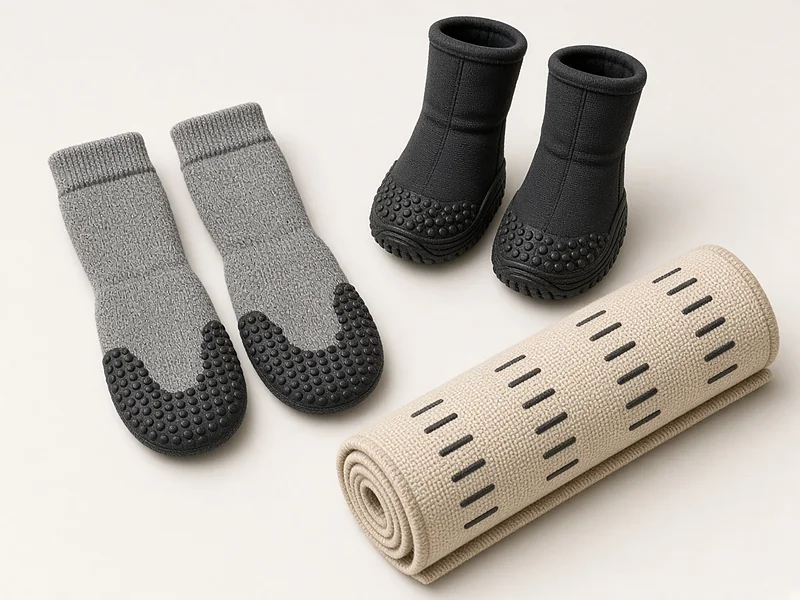
- Floor: a bed on tile or stone stays cooler than one on carpet. Use a non-slip base so the bed does not slide when a stiff dog steps on; our guide to foam mats and rugs covers non-slip options.
- Covers: in summer, swap fleece or plush covers for thinner woven ones. Wash regularly.
- Water: keep fresh water close to the bed so an older dog does not have to walk far.
- Season: as weather cools, remember VCA's warm-and-dry advice. Move the bed away from cold, damp floors or drafts in winter.
Heights and entry
VCA's advice to choose beds the dog does not have to climb onto is easy to forget when shopping for cooling. A raised cot or a thick bed with high bolsters can be hard for a dog with arthritis. Measure the height from the floor to the sleeping surface and compare it with how easily your dog manages steps. Our guide to low-entry dog beds covers this in detail.
Checklist before you buy
- Measure your dog lying fully stretched out, nose to tail, and add some room. A hot dog sprawls, so it needs more length than a curled-up dog.
- Note the sleeping-surface height and compare it with what your dog can step onto today, not last year.
- Check the cover: is it removable, machine washable, and is there a waterproof liner underneath?
- Read what the foam is and how thick it is. Vague descriptions make comparison hard.
- Check the return policy, since some dogs simply refuse a new bed.
- Plan where it will go, and whether that spot stays cool in the afternoon.
Give your dog a few days to get used to a new bed. Putting a familiar blanket or the old bed's cover on top can help, as long as it does not make the bed too warm again.
Common mistakes
- Swapping support for cold. A bare tile floor is cool but gives no cushioning.
- Buying a deep bolster bed for a hot dog. Enclosing walls hold warmth.
- Ignoring placement. The best bed by a radiator will still be too warm.
- Forgetting winter. Cold, damp conditions may worsen stiffness.
- Assuming panting is just heat. In a senior dog, it can signal pain or illness.
FAQ
Why does my senior dog sleep on the floor instead of its bed?
The bed may be too warm, too high or too hard to get onto. It can also be a sign of discomfort, so mention it to your vet if it is new.
Do gel memory foam beds really keep dogs cool?
Makers say gel helps foam feel cooler. We found no independent measurements, so treat it as a modest benefit rather than a cure.
Are elevated beds good for arthritic dogs?
They allow airflow, but have no foam and are raised off the floor. They suit dogs that can step up comfortably.
Should an arthritic dog be kept cool or warm?
Comfortable. VCA advises bedding that doesn't retain heat in warm climates, and also warns that cold, damp conditions can worsen stiffness.
Can I put a cooling mat on an orthopedic bed?
You can, but placing it beside the bed lets your dog choose. Supervise for chewing.
Prices change often, so we do not list them. Check the current price on Amazon.
Sources
- VCA Animal Hospitals, Making your home comfortable for a dog with limited mobility.
- VCA Animal Hospitals, Helping your dog with osteoarthritis.
- Dogbed4less, Orthopedic Gel Cooling Memory Foam Dog Bed product page.
- Product specifications from the linked Amazon listings, checked 2 November 2026.