As an Amazon Associate, SturdyPaws earns from qualifying purchases. This article contains affiliate links; buying through them costs you nothing extra. Read our affiliate disclosure.
Your dog has just had a TPLO (tibial plateau leveling osteotomy) to repair a torn cranial cruciate ligament, and the discharge sheet says "no jumping, limited stairs". That leaves real questions. Can your dog still sleep on the sofa? How do you get a 70 lb Labrador into the car? Should you buy a ramp, pet stairs, or nothing at all?
This guide is research-based; we have not tested these products on post-surgical dogs. We read TPLO home-care instructions published by veterinary surgery practices and product pages from manufacturers and Amazon, all listed under Sources. Your own surgeon's instructions always come first.
Key takeaways
- The goal after TPLO is "no jumping, no slipping", not "buy a ramp". Several surgical practices say a ramp is not automatically safer than a few stairs.
- For the first 2–4 weeks, one published protocol allows only a short flight of 2–3 steps, slowly, on a short leash, with a sling under the belly.
- Buy in this order: rugs or yoga mats for slippery floors, a rear sling, a baby gate for the stairs, then low pet stairs only if your surgeon allows furniture.
- Most pet stairs are rated for small and medium dogs. Check the weight limit before buying for a large breed.
- Start training on any new stairs or sling before surgery if you can.
What surgeons actually say about stairs and ramps after TPLO
We looked for published home-care instructions rather than marketing pages. Three themes came up again and again.
1. Stairs are limited, not banned
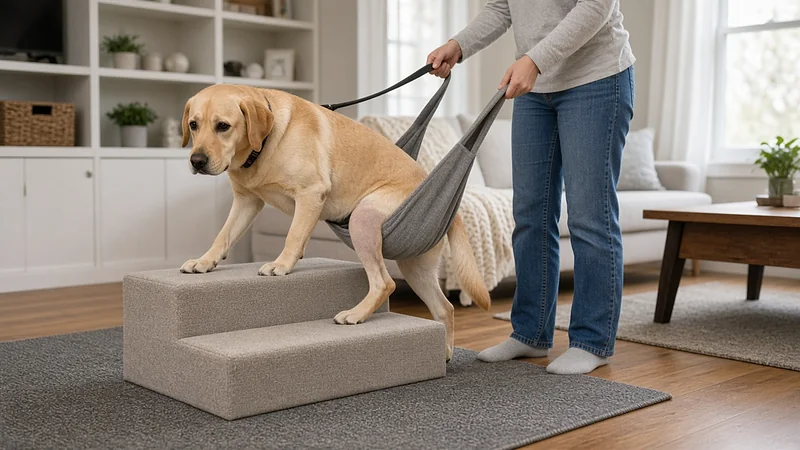
Edmonton Veterinary's TPLO Home Recovery Program says that for the first 2–4 weeks, stairs should be limited to a short flight to get in or out of the house. Your dog should be on a short leash and slowly guided up and down 2–3 stairs, with a sling under the belly for support. After 4 weeks, longer flights are allowed with supervision if your dog is consistently using the leg, but not as strength training, and never at a run or jump.
2. A ramp is not automatically better
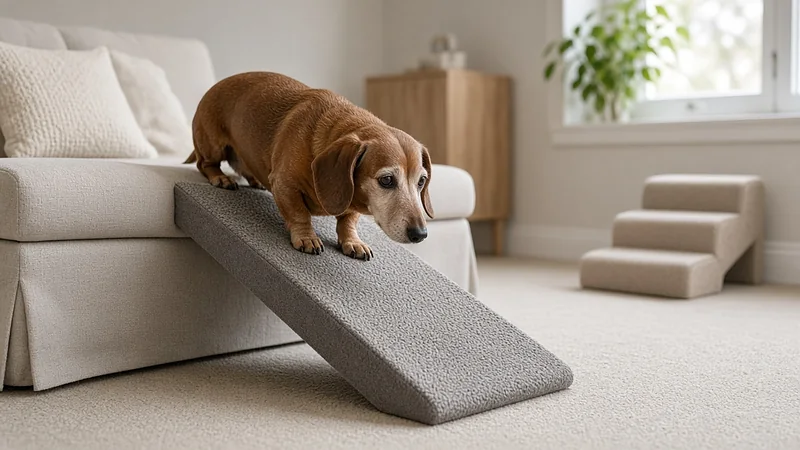
Veterinary Orthopedic Services' TPLO post-op sheet is blunt: stairs are permitted but limited, should be done slowly and on leash, and "ramps are not better than stairs and should also be avoided when possible." That surprises many owners. A ramp still asks the operated knee to push uphill and brake downhill, and a slippery or steep ramp can cause exactly the slip you are trying to prevent.
3. Slippery floors and jumping are the real dangers
Both protocols put jumping on or off the bed and sofa at the top of the "no" list, because overextending the knee can compromise the repair. Edmonton Veterinary warns that slipping and falling can also injure the other leg. Veterinary Orthopedic Services says slick floors should be avoided for 8 weeks.
So the shopping list after TPLO is mostly about traction and control: rugs, a sling, a gate, and low steps only where your surgeon allows them. For the wider ramp-or-stairs question in arthritis and IVDD, see our dog ramp vs stairs decision guide.
Week-by-week home setup
This is a general outline built from the published protocols above. Your surgeon's timeline replaces it.
Before surgery
- Choose a recovery area on the ground floor: a large crate, a pen or one gated room.
- Cover slippery floors along the route from the recovery area to the door with rubber-backed rugs or yoga mats.
- Buy a rear sling and let your dog wear it for short, rewarded sessions. The Rehab Vets advise training a dog on a crate, ramp or stairs early, because these things can be frightening when they first come home.
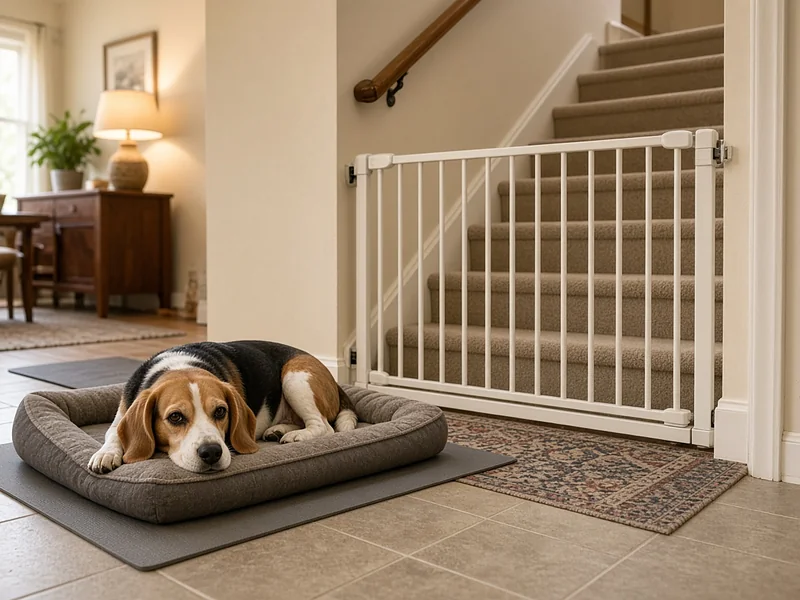
- Gate off indoor stairs and block access to beds and sofas.
Weeks 0–2: strict rest
Leash-only potty trips, no furniture, no free stairs. If you have 2–3 steps to the yard, take them slowly with the sling under the belly, just in front of the hind legs. Many clinics send dogs home with a towel or simple sling; a padded rear sling is easier on both of you if you need it several times a day.
Weeks 2–4: still short and slow
The same rules, with longer controlled leash walks if your surgeon has prescribed them. This is where owners are tempted to let the dog back on the sofa. If your surgeon agrees to furniture at all, low pet stairs with deep treads let your dog step up at a walk instead of jumping, but keep the dog on leash and guide every trip.
Weeks 4–8: gradual return
Once your dog is consistently using the leg, Edmonton Veterinary allows supervised longer flights of stairs. Keep the rugs down; Veterinary Orthopedic Services says slick floors should still be avoided through week 8. Play and off-leash running usually wait until the check-up X-rays show the bone has healed, often around 8 weeks.
After clearance
Many dogs return to normal stairs. If your dog is older or has arthritis in other joints, keeping the pet stairs, rugs and a sling for bad days is reasonable. Our rear support harness comparison covers longer-term options.
How to choose pet stairs for a post-TPLO dog
- Weight rating first. TPLO is common in medium and large breeds. Many plastic or foam pet stairs are rated around 75 lb. If your dog is heavier, the steps may not be suitable at all, and you are better off keeping your dog off furniture.
- Deep, wide treads. The Rehab Vets say steps should be wide and deep enough for your pet, stable on the ground, and non-skid. A big dog should be able to stand with all four feet on a tread, not perch.
- Low rise per step. Fewer, lower steps mean less knee bend on each one.
- Non-slip base. Put the stairs on a rug or rubber mat, not bare hardwood, and against the sofa so they cannot slide away.
- Car access. For the car in the early weeks, many surgeons prefer you lift the rear with a sling (or lift a small dog completely) rather than let the dog jump. If your surgeon is happy with a ramp later on, choose a long one so the slope stays gentle; see our SUV ramp guide.
Our picks
- Rear sling: GingerLead Dog Support Sling
- Low two-step stairs (dogs up to 75 lb): Pet Gear Easy Step II
- Steps or a short ramp in one: Pet Gear StRamp
- Floor traction: rubber-backed washable runner rugs
| Product | Key specs | Link |
|---|---|---|
| GingerLead Dog Support Sling | Padded rear sling with integrated leash, male and female cuts, dogs up to 250 lb, made in USA | Check price on Amazon (opens in a new tab) |
| Pet Gear Easy Step II Pet Stairs | 2-step, about 13–19 in tall depending on version | Check price on Amazon (opens in a new tab) |
| Pet Gear StRamp Pet Step & Ramp | Converts between steps and a short ramp, indoor use | Check price on Amazon (opens in a new tab) |
| Rubber-backed washable runner rugs | Low-pile, non-slip backing, machine washable | Check price on Amazon (opens in a new tab) |
Specs are from manufacturer and retailer listings and can change between versions; check the listing before you buy. We don't show prices because they change often; the button shows the current price on Amazon.
GingerLead Dog Support Sling
GingerLead is a padded rear sling with an integrated leash. The maker says it supports dogs up to 250 lb, is made in Colorado, fits both male and female dogs (with a cutout for most males), and is machine washable. It can clip to a collar for speed control or to a chest harness for added support. Optional "stay-on" straps keep the pad in place when you let go of the handle. GingerLead's own site lists orthopedic surgery recovery among its uses. The trade-off: it supports the rear only, which is usually all a TPLO dog needs.
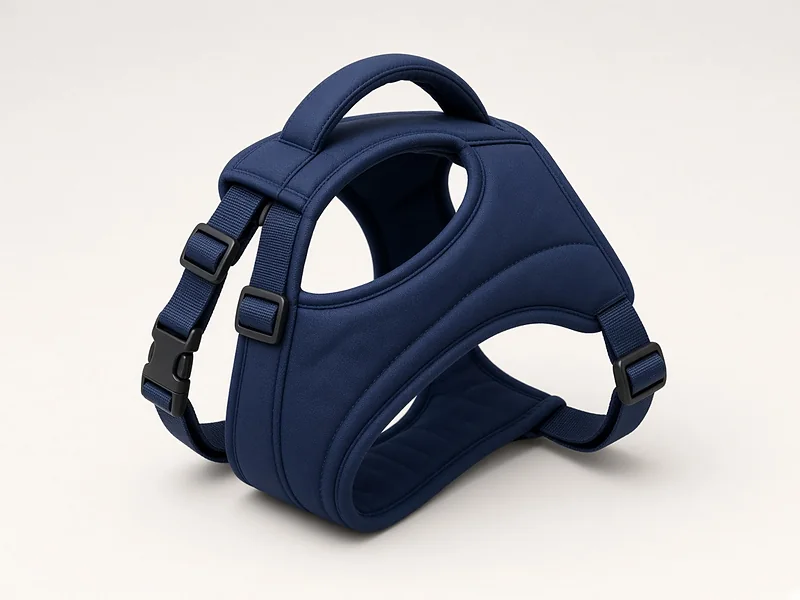
GingerLead Dog Support Sling
Padded rear sling with integrated leash, male and female cuts, dogs up to 250 lb, made in USA
Pros
- Padded belly pad spreads the load
- Integrated leash for one-handed walking
- Widely used after orthopedic surgery
Cons
- Rear support only
- Slides on and off rather than staying on all day by default (optional stay-on straps)
Pet Gear Easy Step II Pet Stairs
A two-step pet stair sold on Amazon as suitable for dogs up to 75 pounds. Two low steps are the right shape for the "2–3 steps, slowly, on leash" stage, and it is light enough to move between rooms. For dogs over 75 lb it is not suitable; keep those dogs off the furniture.
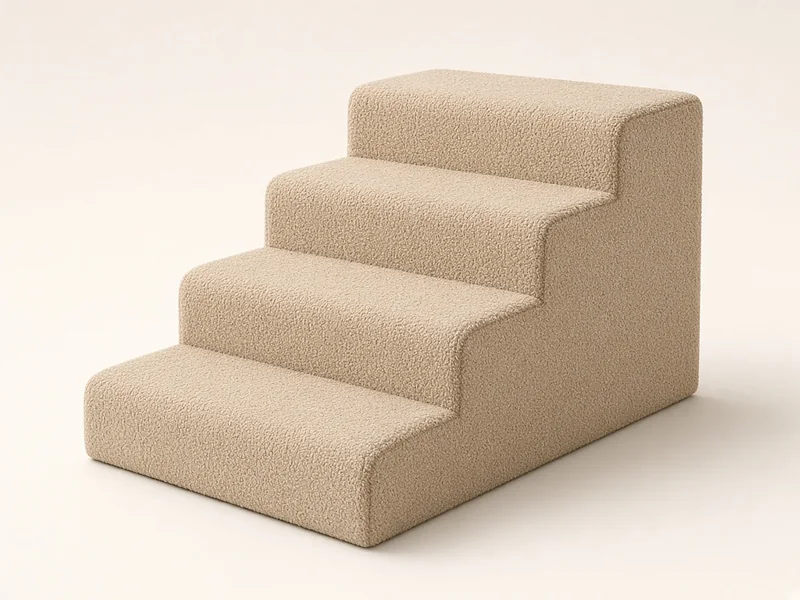
Pet Gear Easy Step II Pet Stairs
2-step, about 13–19 in tall depending on version
Pros
- Inexpensive
- Good for a couch or low bed
Cons
- Not tall enough for most beds
- Steps, not a ramp
Pet Gear StRamp
The StRamp converts between steps and a short ramp. That flexibility is useful if your surgeon prefers one form, or if your dog refuses one of them. It is designed for indoor use beside a sofa or bed. Remember that a short ramp is steep; follow the surgeon's view on ramps.
Pet Gear StRamp Pet Step & Ramp
Converts between steps and a short ramp, indoor use
Pros
- Two tools in one for a couch or low bed
- Removable washable tread
Cons
- Too short for cars
- Short ramps are steep for tall furniture
Rubber-backed runner rugs
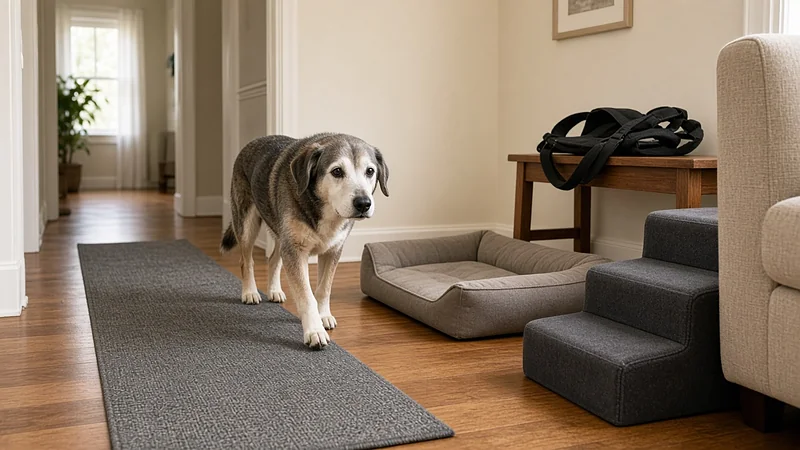
The cheapest and most important item on this list. A runner from the recovery area to the door, and a rug at the bottom of any steps, removes most slip risk. Edmonton Veterinary suggests throw rugs with rubber backing or yoga mats. Washable is worth paying for, because recovering dogs have accidents. Our hardwood floor guide covers more options.
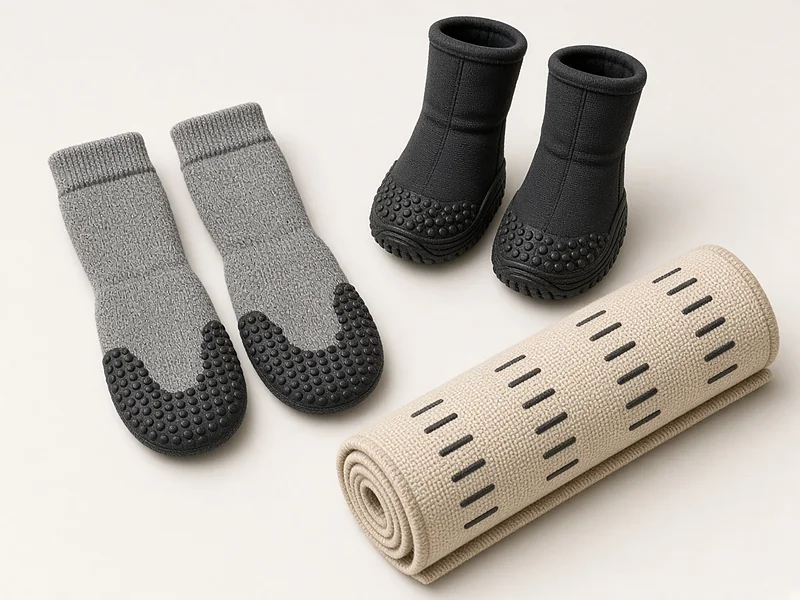
Rubber-backed washable runner rugs
Low-pile, non-slip backing, machine washable
Pros
- Fixes the floor once for every dog in the house
- No fitting needed
Cons
- Need enough coverage on your dog's real routes
- Edges can curl; choose low pile and flat edges
What not to buy (yet)
- A short, steep bed ramp. It can be harder on the knee than two low steps.
- Dog boots for indoor use. Many dogs walk oddly in them; rugs work better. See toe grips vs boots vs grip socks.
- A thick, tall bed. A low, firm bed that your dog can step onto is better in the early weeks than one it has to climb. See orthopedic beds for senior dogs.
How to teach stairs after TPLO
- Keep the dog on a short leash with the sling in place.
- Go up with the dog, one step at a time, letting it place the operated leg.
- Coming down is harder on the front legs and on control. Go slowly, stand on the downhill side, and keep the sling taut enough to steady the rear.
- Reward calm, slow steps. Stop if your dog tries to hop or rush.
- Never leave the stairs accessible when you are not there to guide.
Rugs are a big part of any recovery area; see how to choose non-slip runner rugs. For car trips after surgery, ask your surgeon about using a lift harness for getting into the car.
To keep the stairs off limits during recovery, see stair gates for senior dogs.
Related reading: our guides to TPLO recovery home setup checklist and foam mats versus rugs.
FAQ
Can my dog use stairs after TPLO surgery?
Usually a few, slowly and on leash, from the start. One published protocol allows 2–3 steps with a belly sling for the first 2–4 weeks, and supervised longer flights after 4 weeks if the dog is using the leg well. Follow your surgeon's instructions.
Is a ramp better than stairs after TPLO?
Not necessarily. At least one orthopedic surgery practice says ramps are not better than stairs and should be avoided when possible. A long, gentle, non-slip ramp can help with a car later in recovery, if your surgeon agrees.
When can my dog jump on the couch after TPLO?
Typically not until your surgeon clears it, which is often after the check-up X-rays around 8 weeks. Until then, block access or use low steps on leash if your surgeon allows furniture.
How do I get my dog into the car after TPLO?
Lift the rear with a sling while your dog places its front feet in, or lift a small dog completely. Avoid letting your dog jump in or out.
Prices change often, so we do not list them. Check the current price on Amazon.
Sources
- Edmonton Veterinary, TPLO Home Recovery Program (PDF).
- Veterinary Orthopedic Services, Post Op: Tibial Plateau Leveling Osteotomy (TPLO) (PDF).
- The Rehab Vets, Your Dog's Life at Home: Steps vs Ramps.
- American Kennel Club, Dog Stairs vs. Ramps.
- GingerLead, GingerLead Dog Sling Support Harnesses.
- Pet Gear Easy Step II and StRamp listings on Amazon (titles and weight ratings checked November 2026).